
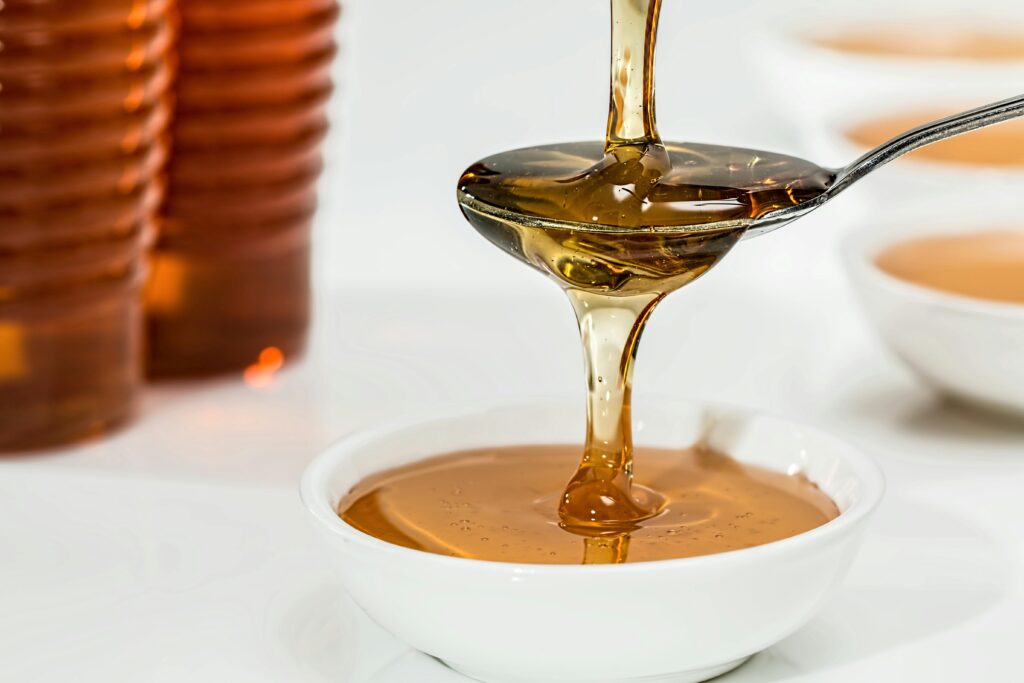
Watch Out for These Fake Honey Brands — They’re More Common Than You Think
The post Watch Out for These Fake Honey Brands — They’re More Common Than You Think first appeared on USSA News | The Tea Party’s Front Page.. Visit USSANews.com.
Honey has earned its place as a golden staple in kitchens around the world. Its rich, amber hue and sweet, floral taste lend an unmatched charm to foods and drinks, while its natural health benefits are celebrated by everyone from wellness enthusiasts to nutrition experts. But what if that jar of honey in your pantry isn’t what it seems? Recent reports suggest that much of the honey lining supermarket shelves may not be “pure” honey at all but a blend of cheap fillers, stripped of its original nutrients and authenticity.
This revelation raises unsettling questions. How can you tell if the honey you’re enjoying is real? What risks might come with consuming these “fake” versions? And, importantly, who benefits from selling honey that’s not quite as natural as advertised? As we dig into the world of honey fraud, the answers might surprise you, leaving you looking twice at what you thought was nature’s most trusted sweetener.
The Appeal of Authentic Honey
Authentic honey has captivated people for centuries, valued for its natural sweetness, nutritional qualities, and extensive health benefits. Unlike processed honey, raw honey retains the enzymes, antioxidants, vitamins, and pollen that make it so beneficial. These elements, often lost during pasteurization, play a significant role in honey’s medicinal and dietary properties.
Nutritional and Medicinal Benefits
Raw honey offers a host of health benefits due to its high levels of antioxidants, such as flavonoids and phenolic acids, which help combat oxidative stress and inflammation in the body. Studies show that these compounds may contribute to improved heart health by lowering bad cholesterol levels and reducing blood pressure. Raw honey also contains a natural enzyme, glucose oxidase, which produces hydrogen peroxide and gives honey its notable antibacterial and antifungal properties. This makes it an effective natural remedy for infections and wounds, and it has even been shown to relieve coughs more effectively than some over-the-counter medications.
Beyond Sweetness: Raw Honey’s Unique Qualities
Raw honey goes beyond simply tasting good; its natural compounds support immune health and even cognitive functions. Some studies indicate that regular honey consumption may help protect against neurodegenerative diseases by shielding brain cells from oxidative damage, thanks to its antioxidants. Honey’s effectiveness in wound care has also been highlighted in studies showing how it moisturizes wounds and encourages new tissue growth, making it a popular remedy for burns and cuts.
This “edible gold,” as it’s often called, offers numerous ways to enhance both flavor and health. As one source points out, “Honey’s natural humectant properties also make it an excellent ingredient in skincare products. It helps attract and retain moisture, making it ideal for moisturizers and facial masks.” Honey’s range of applications in diet and skincare truly makes it one of nature’s versatile wonders, from soothing sore throats to revitalizing skin and aiding in digestive health.
These distinctive qualities of raw, unfiltered honey offer a compelling reason to choose it over its processed counterparts. In contrast, many conventional honey brands often undergo ultra-filtration, which removes not only impurities but also much of honey’s beneficial pollen and nutrients. This process can strip honey of its natural properties, resulting in a product that may look clear and have a longer shelf life but lacks the health benefits that make raw honey so special.
Honey Fraud Uncovered
The rise of honey fraud has created a serious problem for consumers who expect their honey to be pure and natural. This fraud typically involves diluting real honey with cheaper syrups like high-fructose corn syrup, rice syrup, or even beet syrup, a practice known as “honey spiking.” Some companies use indirect methods, such as feeding bees sugar syrups instead of nectar, which creates a product that lacks the natural floral essence and beneficial compounds of genuine honey. In other cases, honey is blended with different types of honey, allowing adulterated honey to appear authentic through creative labeling.
Another common practice is ultra-filtration. Originally intended to remove impurities, ultra-filtration has evolved into a tactic that eliminates pollen—the “fingerprint” that can trace honey back to its origin. By filtering out pollen, manufacturers make it nearly impossible to verify the honey’s authenticity, resulting in a final product that lacks the full nutritional profile of genuine honey. According to the Food Safety News report, ultra-filtration is often used in major brands, leading to honey that’s “stripped of its natural goodness,” leaving consumers with a product that is little more than “sugar water.” In fact, one recent EU-coordinated action found that nearly half of all tested honey samples from international markets had added syrups or were otherwise adulterated—a practice especially common with imports from countries where loose regulations permit high levels of honey manipulation.
For beekeepers and authentic honey producers, this widespread fraud poses a significant economic threat. Fake honey costs far less to produce, which has driven down prices for real honey, forcing beekeepers to sell at unsustainably low prices. Michael Roberts from UCLA’s Resnick Center for Food Law and Policy notes, “As long as adulterated honey floods the domestic market, U.S. honey producers will find it very difficult to build a sustainable business model predicated on authentic honey.” This impact ripples into environmental concerns, as the unsustainable income from honey production pressures beekeepers to focus more on pollination services, often to the detriment of the bees themselves.
This troubling trend has prompted researchers and food safety authorities worldwide to develop more advanced testing methods. These include high-performance liquid chromatography (HPLC) and three-dimensional fluorescence spectroscopy, which can distinguish between authentic and adulterated honey based on molecular markers. However, detection remains challenging as fraudsters find new ways to mimic the properties of real honey, making it a constant battle between authentic producers and fraudulent manufacturers.
The Impact of Fake Honey
The rise of fake honey is not just a concern for consumers; it brings a host of health, economic, and environmental challenges. From misleading health impacts to economic consequences for local beekeepers and environmental effects on bee populations, the prevalence of adulterated honey has broad repercussions.
Health Risks of Adulterated Honey
Fake honey often contains cheap sugar syrups, like high-fructose corn syrup or rice syrup, which lack the beneficial compounds found in real honey. This means that while consumers think they are getting a natural health boost, they’re ingesting sugars that can raise blood sugar levels, contribute to weight gain, and potentially lead to metabolic issues like type II diabetes. A study reviewing the effects of honey adulteration found that such sugar additives could also elevate blood pressure and blood lipid levels, increasing the risk of cardiovascular diseases. Moreover, adulterated honey may contain chemical residues from poorly regulated sources, potentially putting organs like the liver and kidneys under strain and compromising overall health.
Economic Consequences for Beekeepers
The availability of cheaper, adulterated honey has driven down prices, making it difficult for honest beekeepers to compete. Michael Roberts, Executive Director of the Resnick Center for Food Law and Policy at UCLA, describes this as a battle for survival for U.S. honey producers. Adulterated honey floods the market, keeping prices low and forcing beekeepers to either sell their honey at unsustainable prices or shift their focus to pollination services, often at the expense of honey production. This issue is not just economic; it disrupts the stability of traditional beekeeping practices, which are critical to maintaining diverse and resilient bee populations.
Environmental Impact on Bee Populations
The economic pressures on beekeepers resulting from honey adulteration indirectly threaten bee populations. Many beekeepers are forced to prioritize pollination over honey production, leading bees to travel more frequently between farms. This increased movement exposes bees to more environmental stressors, including pesticide exposure, which can weaken colonies and contribute to colony collapse disorder. This practice jeopardizes the health of bee populations, which are essential not only for honey production but for pollinating many of the crops we depend on for food.
The widespread consequences of fake honey underscore the need for informed consumer choices to support sustainable beekeeping and protect the health and integrity of honey as a natural product. As consumers become more aware of these impacts, the demand for authentic honey can help turn the tide against adulterated products.
How to spot Real Honey?
Choosing authentic honey can be challenging, especially given the prevalence of fake honey on the market. Fortunately, there are some straightforward ways to identify genuine honey that can help ensure you’re buying a product free from additives and adulterants.
Simple At-Home Tests
Water Test: One of the simplest methods is to drop a spoonful of honey into a glass of water. Real honey will settle at the bottom due to its density, while fake honey often dissolves quickly, indicating added sugars or syrups.
Flame Test: Dip a cotton wick or matchstick into the honey and try to light it. Pure honey typically ignites due to its low moisture content, while honey diluted with syrups may struggle to burn.
Thumb Test: Place a small amount of honey on your thumb. Pure honey should stick without quickly spreading, while fake honey, being runnier, will often slide off more easily.
Heat Test: Gently heat a sample of honey in a saucepan. Pure honey will caramelize and deepen in color without bubbling, while fake honey, often with added moisture, may froth or emit a burnt smell.
These tests rely on honey’s unique viscosity and natural properties to help detect purity. Real honey’s viscosity makes it denser and more resistant to flow than adulterated honey, which tends to be runnier.
Key Characteristics of Authentic Honey
Consistency and Crystallization: Real honey is usually thick and, over time, can crystallize. Crystallization is a natural process for most raw honey, and its absence, especially in certain varieties, may signal the addition of other sweeteners or syrups.
Label Transparency: When shopping, check the label for terms like “raw” or “unfiltered” and avoid labels that mention “honey blend” or added high-fructose corn syrup. Opting for local brands or purchasing directly from beekeepers can also enhance the likelihood of buying pure honey.
Color and Aroma: Pure honey often has a distinct, complex aroma and a deep, rich color that can vary depending on its floral source. Fake honey often lacks this aromatic depth, as added syrups or sugar solutions dilute its natural properties.
The Sweet Truth: Choosing Real Honey for Health and Sustainability
The journey of understanding honey adulteration reveals that there’s much more than meets the eye when it comes to this beloved natural sweetener. The widespread availability of fake honey, often laced with syrups and stripped of nutritional value, highlights the importance of becoming informed consumers. By choosing raw, unprocessed honey and knowing how to spot fakes, consumers not only protect their health but also support ethical beekeeping and sustainable honey production. Every purchase is a step toward maintaining the integrity of honey, honoring the work of honest beekeepers, and safeguarding the essential role bees play in our ecosystems.
As we reach for honey jars in stores, let’s remember to look beyond the label and consider the real value of this golden elixir. The benefits of pure honey extend beyond sweetness—it’s a choice that contributes to a healthier body, a stable bee population, and a sustainable future.
Click this link for the original source of this article.
Author: Sneha
This content is courtesy of, and owned and copyrighted by, https://themindunleashed.com and its author. This content is made available by use of the public RSS feed offered by the host site and is used for educational purposes only. If you are the author or represent the host site and would like this content removed now and in the future, please contact USSANews.com using the email address in the Contact page found in the website menu.
The post Watch Out for These Fake Honey Brands — They’re More Common Than You Think first appeared on USSA News | The Tea Party’s Front Page.. Visit USSANews.com.
About The Author

Discover more from MEK Enterprises Blog - Breaking News, SEO, Information, and Making Money Online!
Subscribe to get the latest posts sent to your email.